Tickets & passes
What must be reserved before the rest of the trip?
Separate site admission from transport, circuits, guides and add-ons. Recheck the managing authority before purchase.
Plan this decision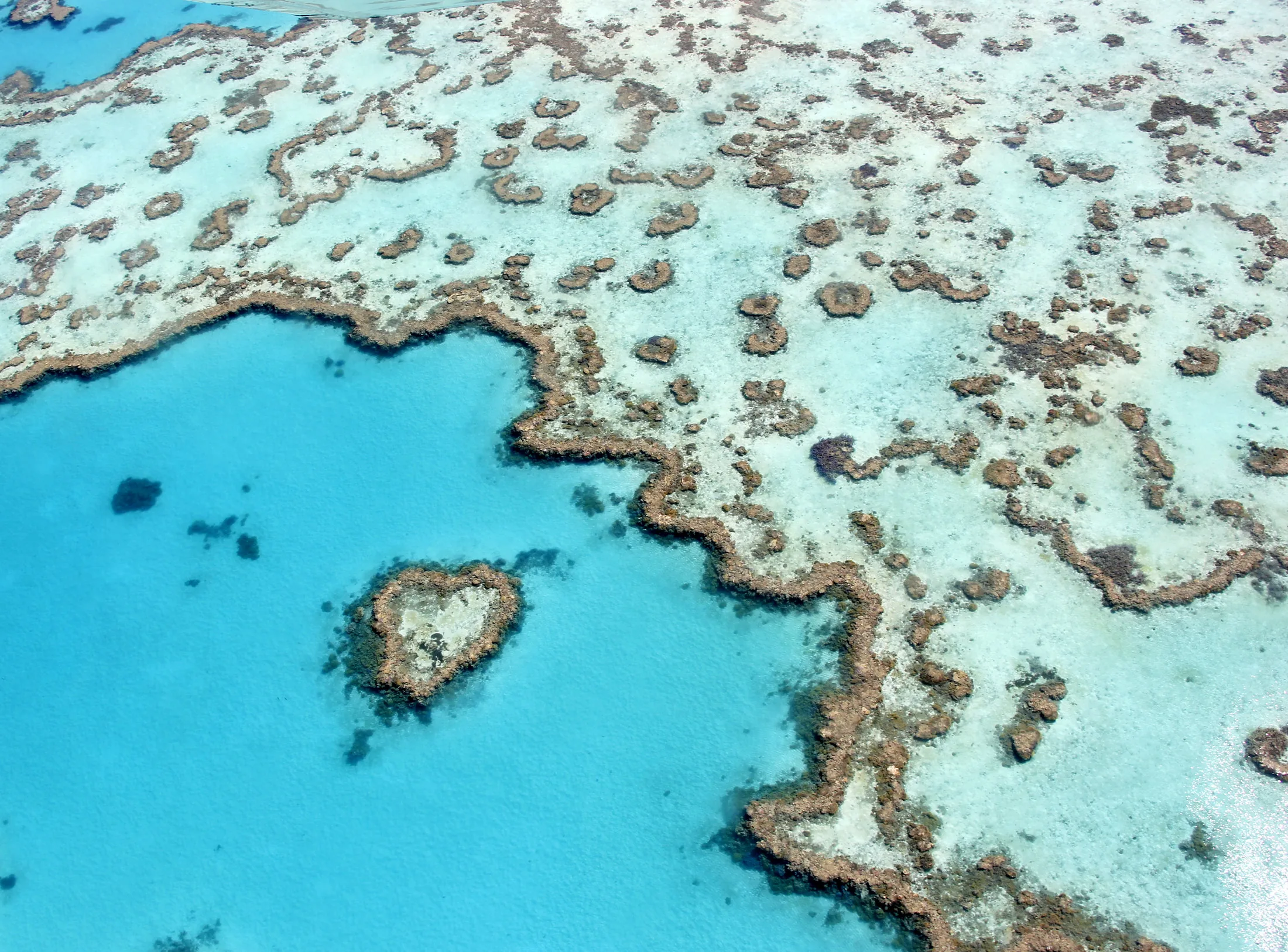
WorldWonders field guide
Vast protected landscapes and ecosystems where gateways, seasons, operators and safety define the visit.
See all 3 placesDistance changes the day
Read the scale
Choose a gateway and season before distance, weather and protected-area rules choose for you.
What you are deciding
Start with the decision that can close a route, stretch a day or make the visit harder than expected.
Tickets & passes
Separate site admission from transport, circuits, guides and add-ons. Recheck the managing authority before purchase.
Plan this decisionTiming & crowds
Opening patterns, heat, weather and group arrivals matter more than a generic best-time list.
Plan this decisionAccess & walking
Gateway transport, steps, uneven ground and return routes decide whether an itinerary is comfortable or rushed.
Plan this decisionResponsible visits
Follow local rules, protect living culture and habitat, and choose access that supports long-term care of the place.
Plan this decisionComplete hub inventory
3 distinct visits, grouped by the planning decision each place asks you to make.
United States
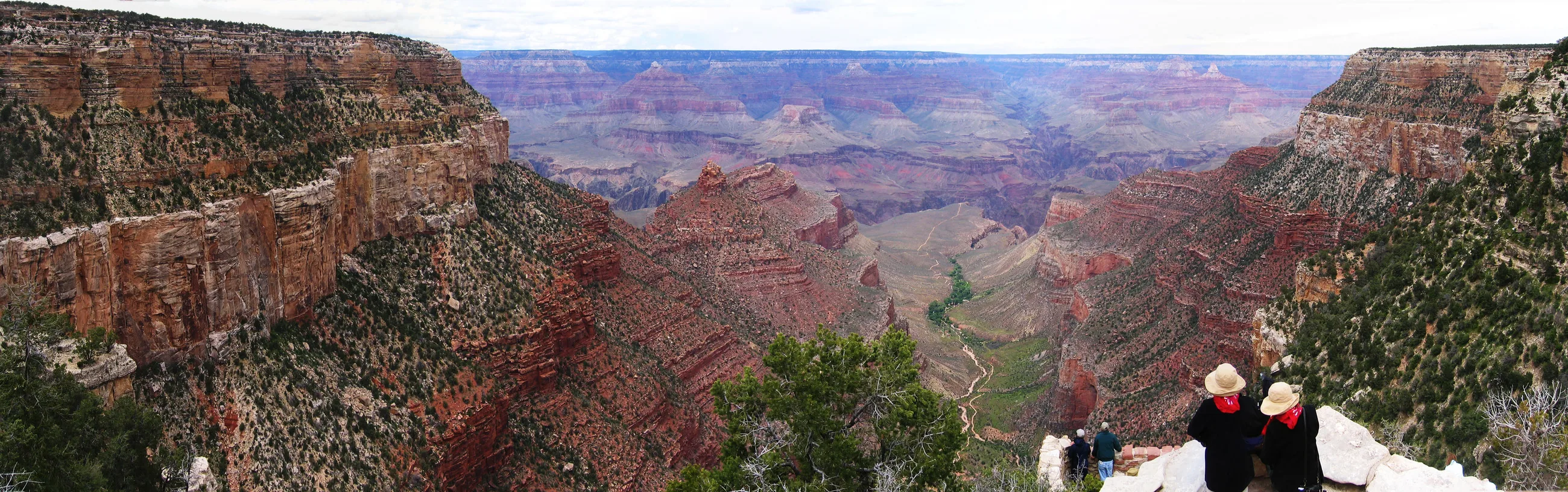
South Rim, North Rim or a Day Tour?
The rim and gateway determine season, drive time, services and whether the day leaves room to walk.
Argentina & Brazil
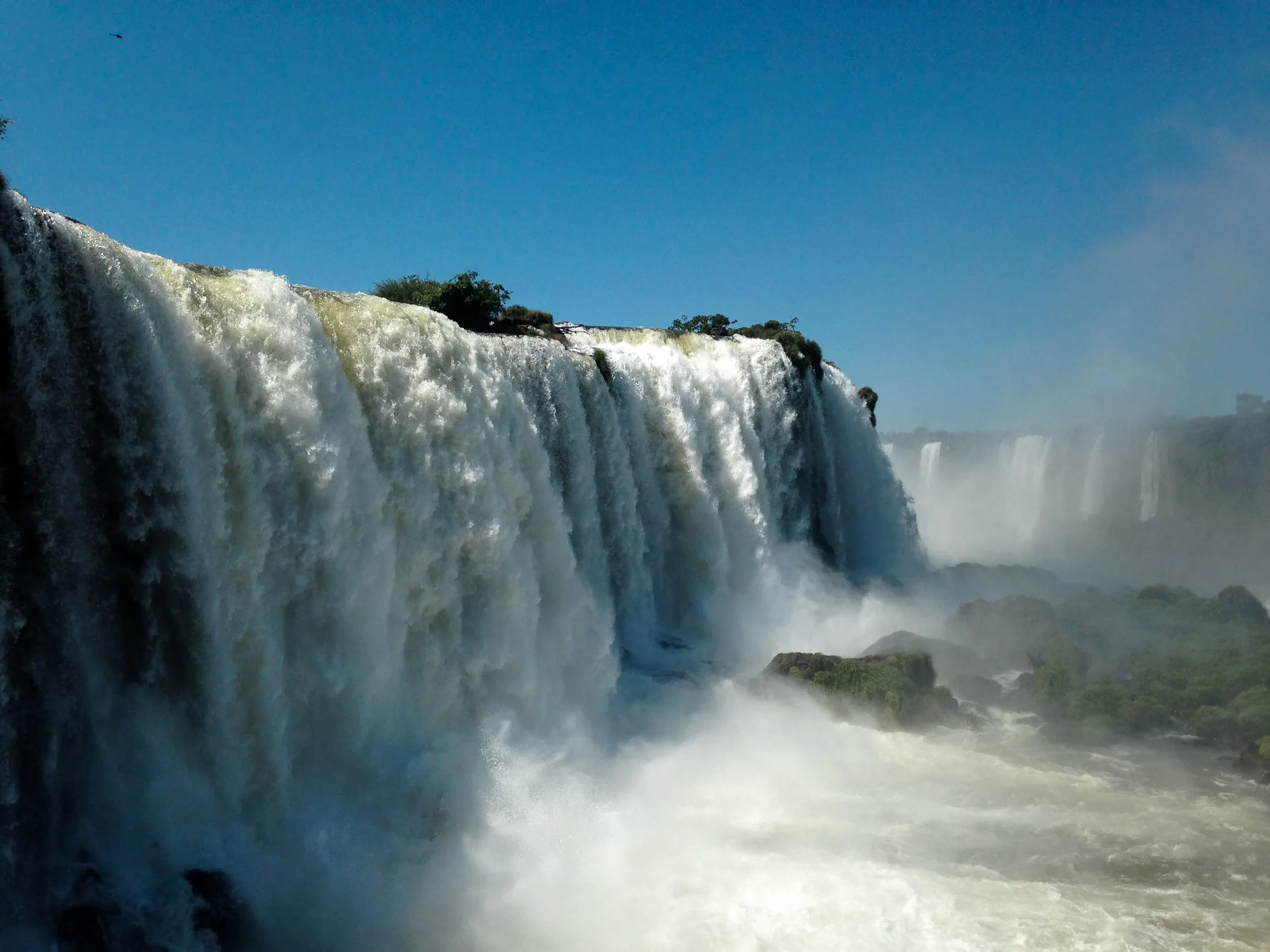
Argentina Side, Brazil Side or Both?
Each national park offers a different scale and route, while the border turns two viewpoints into a transport decision.
Australia
Which Gateway and Reef Trip?
A reef visit begins with gateway, vessel, travel time, water confidence and operator standards rather than one universal excursion.
Compare before you go
Minimum time is an editorial planning baseline, not a promise about queues, weather or personal pace.
| Place | Minimum time | Reserve | Walking & access | Gateway | Plan around |
|---|---|---|---|---|---|
| Grand CanyonUnited States | Full day at one rim; overnight for a less compressed visit | Moderate | Low at selected overlooks; extreme below the rim | Grand Canyon Village, Tusayan or the North Rim | The rims are hours apart by road and should not share one casual day. |
| Iguazu FallsArgentina & Brazil | One day per side for full circuits; two days for both parks | Moderate | Moderate: long boardwalks, stairs and exposed wet surfaces | Puerto Iguazu and Foz do Iguacu | The border crossing and two park systems require separate planning. |
| Great Barrier ReefAustralia | Full day on the water; longer for island or outer-reef stays | High | Low on land; swimming ability and vessel motion matter more | Queensland coast, including Cairns and the Whitsundays | Operator, vessel and reef zone define the actual experience. |
Featured decision
Which Gateway and Reef Trip?
A reef visit begins with gateway, vessel, travel time, water confidence and operator standards rather than one universal excursion.
Related planning
The planning desk keeps ticket, timing, access and responsible-visit checks together.
Visit responsibly
Use designated access, follow protected-area rules and choose operators whose practices reduce pressure on wildlife and habitat.
Read the responsible visit frameworkSource-aware guidance
Designation describes why a place is protected. Visitor authorities describe how current access works. They are not interchangeable.