Tickets & passes
What must be reserved before the rest of the trip?
Separate site admission from transport, circuits, guides and add-ons. Recheck the managing authority before purchase.
Plan this decision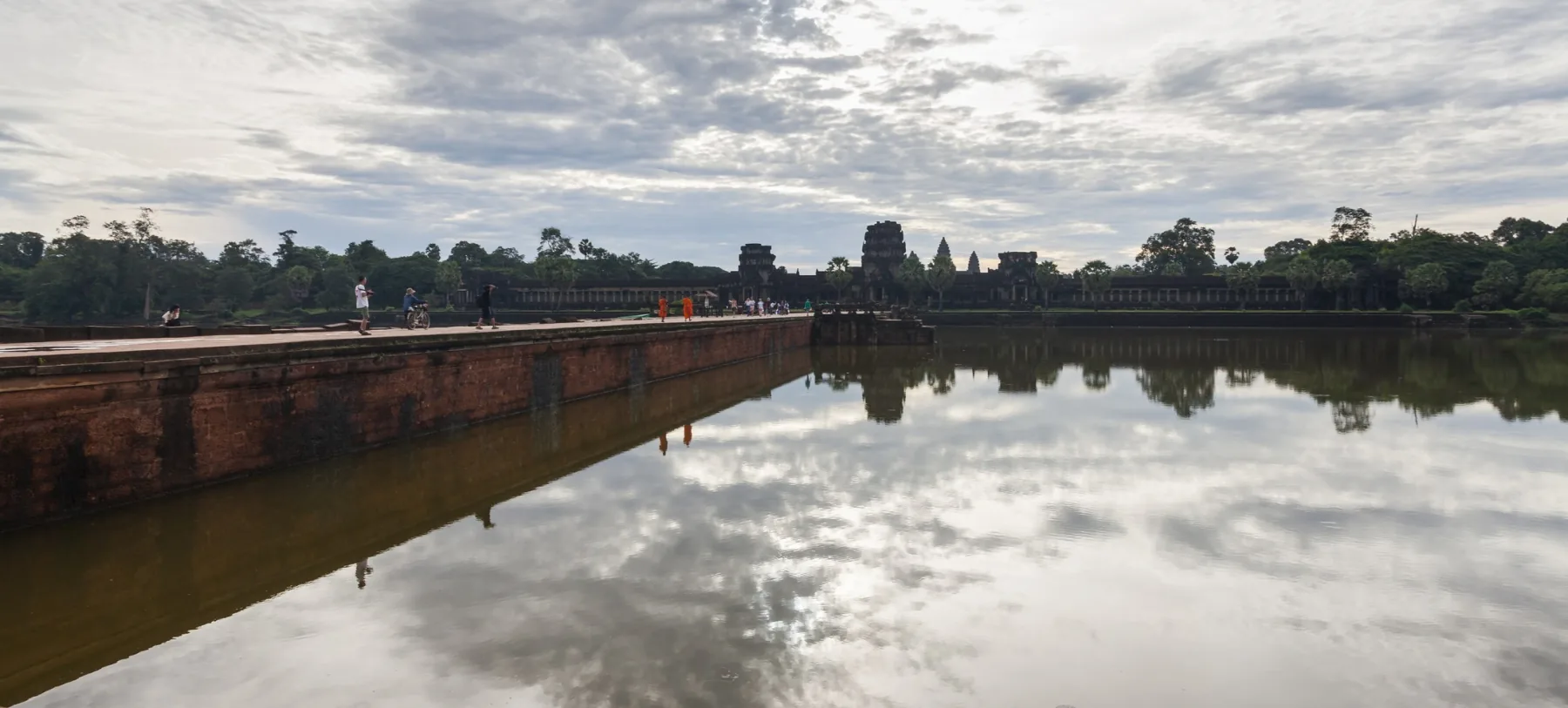
WorldWonders field guide
Major structures and sacred complexes where access rules, etiquette and crowd flow belong in the plan.
See all 3 placesScale with a threshold
Read the scale
Choose the right entry system, approach and pace for structures that draw concentrated crowds.
What you are deciding
Start with the decision that can close a route, stretch a day or make the visit harder than expected.
Tickets & passes
Separate site admission from transport, circuits, guides and add-ons. Recheck the managing authority before purchase.
Plan this decisionTiming & crowds
Opening patterns, heat, weather and group arrivals matter more than a generic best-time list.
Plan this decisionAccess & walking
Gateway transport, steps, uneven ground and return routes decide whether an itinerary is comfortable or rushed.
Plan this decisionResponsible visits
Follow local rules, protect living culture and habitat, and choose access that supports long-term care of the place.
Plan this decisionComplete hub inventory
3 distinct visits, grouped by the planning decision each place asks you to make.
Cambodia
One-Day, Three-Day or Seven-Day Pass?
The pass duration should follow the temples, distances and pace you want across the archaeological park, not Angkor Wat alone.
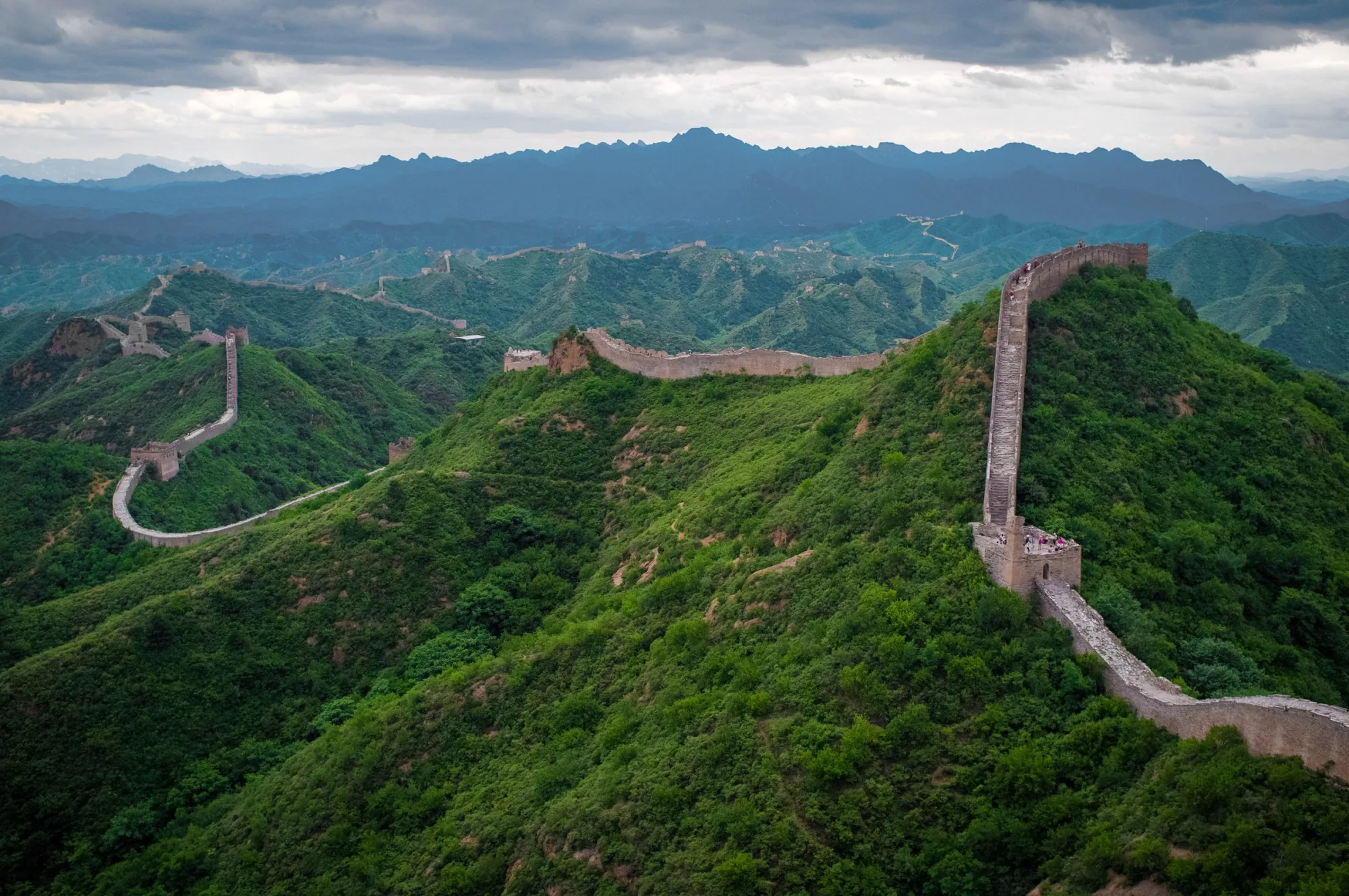
China
Which Section Should You Visit?
Choose a managed section by travel time, restoration level, gradients and crowd tolerance rather than treating the wall as one attraction.
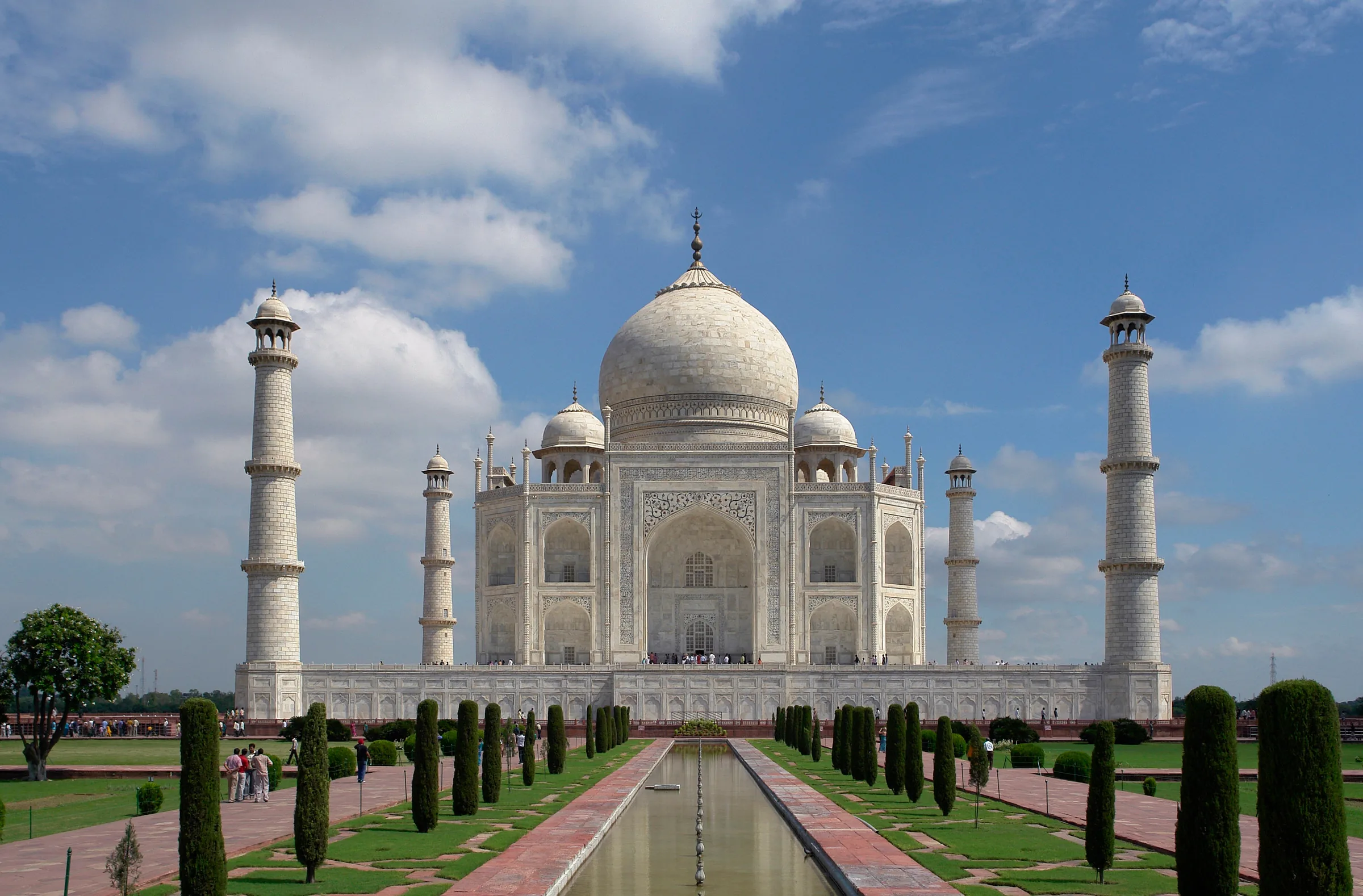
India
Sunrise, Tickets & Friday Closure
Build the Agra day around current opening rules, a realistic arrival and time to understand the full funerary complex.
Compare before you go
Minimum time is an editorial planning baseline, not a promise about queues, weather or personal pace.
| Place | Minimum time | Reserve | Walking & access | Gateway | Plan around |
|---|---|---|---|---|---|
| Angkor Archaeological ParkCambodia | One full day for highlights; three days for a balanced first visit | Moderate | Moderate to high: heat, temple steps and repeated transfers | Siem Reap | Travel time between temple groups is part of the visit. |
| Great Wall of ChinaChina | Half to full day from Beijing for a managed section | Moderate | High: steep stairs, exposed ridges and uneven gradients | Beijing for Badaling, Mutianyu and nearby sections | Each managed section has different transport and entry systems. |
| Taj MahalIndia | Two to three hours on site; allow for Agra transfers | High | Moderate: security approach, gardens and shoe-cover rules | Agra | Weekly closure and current ticket rules must be checked before travel. |
Featured decision
One-Day, Three-Day or Seven-Day Pass?
The pass duration should follow the temples, distances and pace you want across the archaeological park, not Angkor Wat alone.
Related planning
The planning desk keeps ticket, timing, access and responsible-visit checks together.
Visit responsibly
Respect worship, dress and photography rules, and make room for residents and practitioners whose place this remains.
Read the responsible visit frameworkSource-aware guidance
Designation describes why a place is protected. Visitor authorities describe how current access works. They are not interchangeable.
Continue by decision